

Mission Statement:
The mission of the Belvedere-Tiburon Landmarks Society is to acquire, preserve and maintain artifacts, landmarks, and open space of local historic significance and make them available to the public.
VISIT, RENT & ENJOY!
 |
 |
 |
 |
 |
The Landmarks historical sites are available for rent year round for private events
including weddings, receptions, memorials, birthdays, and more
for groups of any size up to 150 depending on the venue.
FOR MORE INFORMATION, CALL 415-435-1853
LANDMARKS HISTORIC SITES ARE OPEN TO THE PUBLIC APRIL – OCTOBER
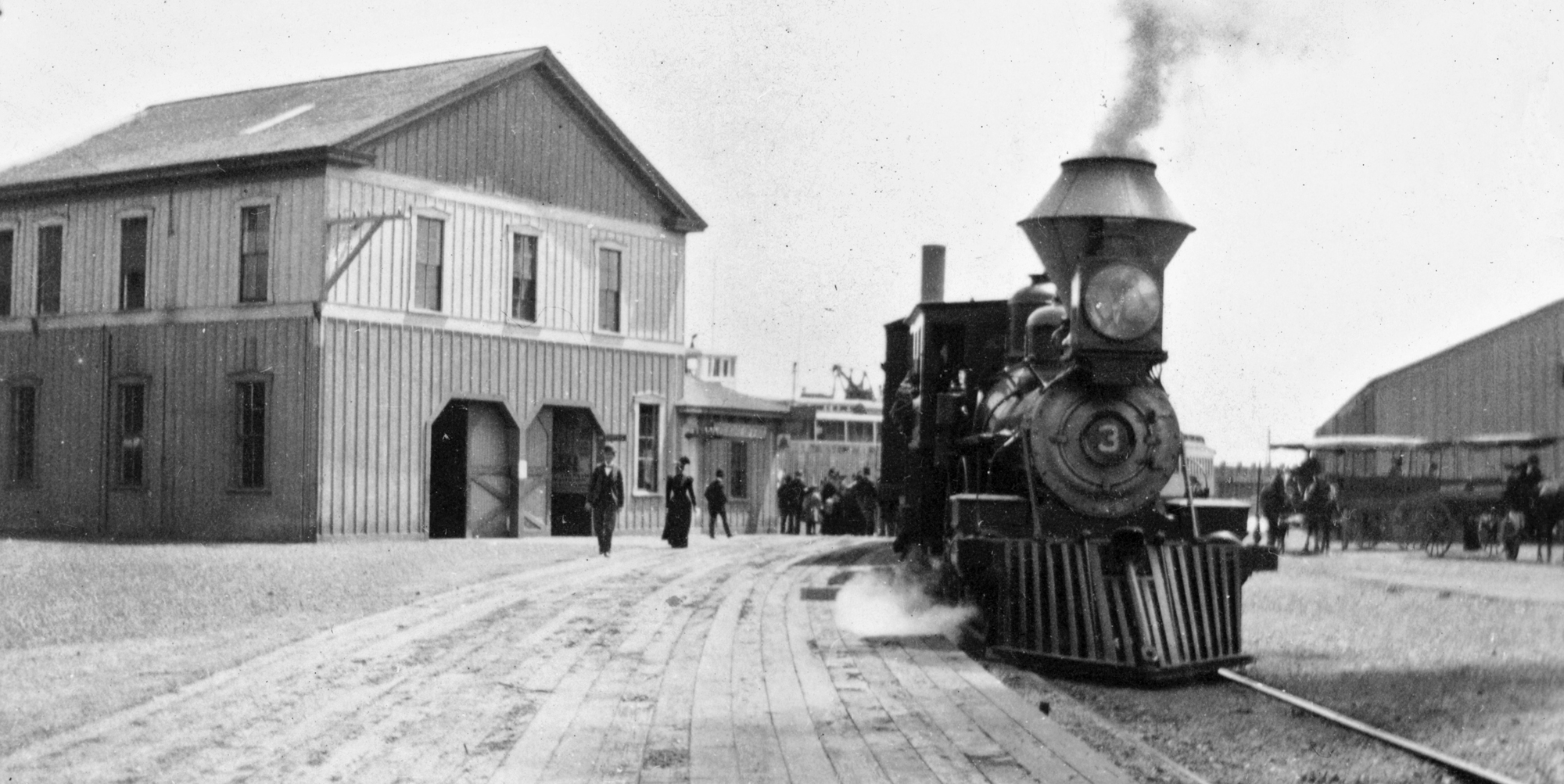
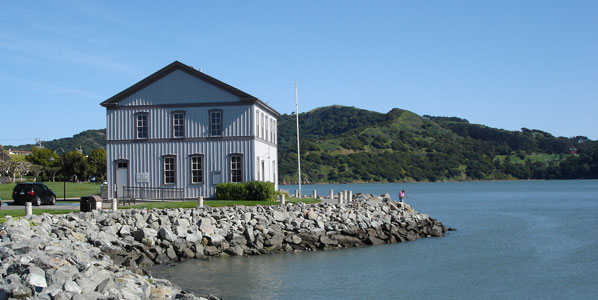
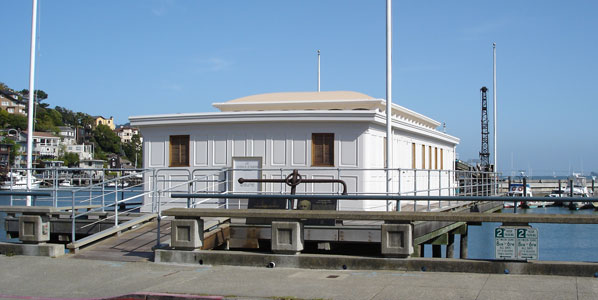
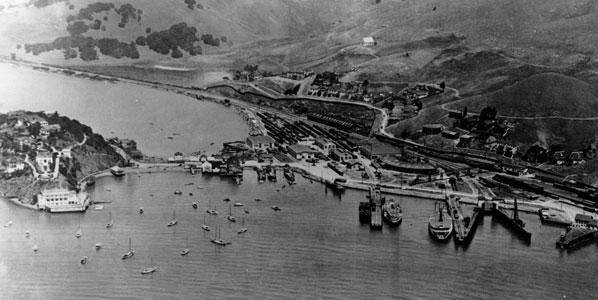
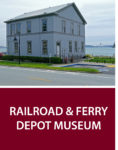
Railroad & Ferry Depot Museum: Wednesdays and Weekends 1-4 p.m.
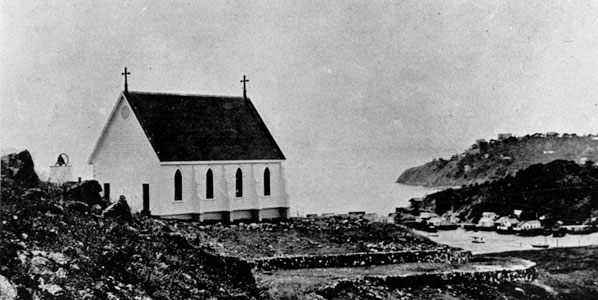
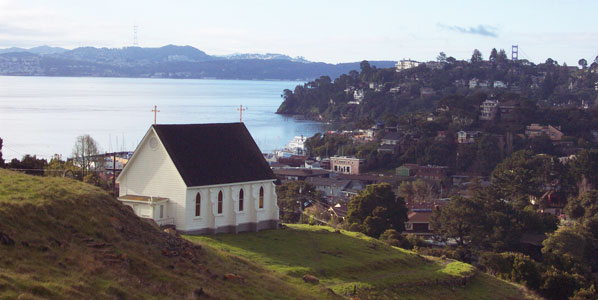
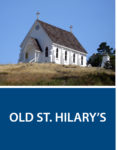
Old St. Hilary’s: Sunday 1-4 p.m.
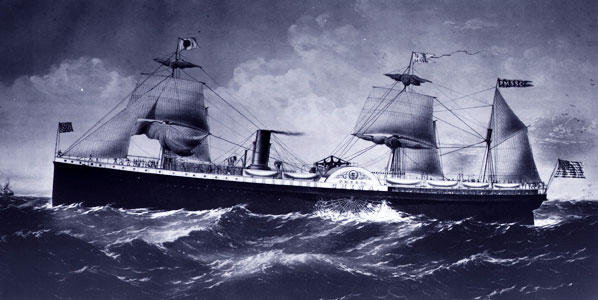
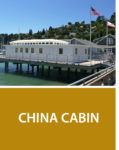
China Cabin: Saturday & Sunday 1-4 p.m.
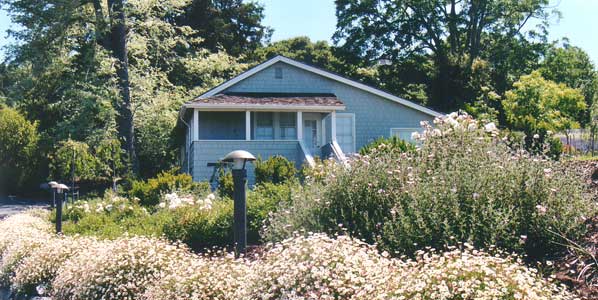
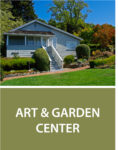
Art & Garden Center: Sunday 11-3 p.m. (May-October)
History Collections: Tuesdays through Thursdays 9 a.m.-1 p.m.
The Landmarks Society, a non-profit history organization, manages and maintains the Old St. Hilary’s Landmark and the surrounding wildflower preserve, the China Cabin, the Railroad & Ferry Depot Museum, and the Landmarks Art and Garden Center. These sites are all on the Tiburon Peninsula in Marin County.
The Landmarks History Collections houses a vast collection of photographs, fine art, artifacts, maps, documents, oral histories, and a reference library.
The Landmarks Society activities include historic publications, botanical and architectural tours, concerts, lectures, and exhibits.
Group tours are available for all of our historical properties for senior excursions, school visits, or other groups of 20 or more. Our docents teach the exciting history of this beautiful area and each Landmark. The readily accessible sites are the Railroad & Ferry Depot Museum and the China Cabin. (Old St. Hilary’s cannot accommodate large buses; therefore, groups need to walk about 100 yards uphill to gain access.) A donation of $5 per person per site is requested to help defray operating and maintenance costs of the sites. Please call or email to learn more.
1550 Tiburon Boulevard, Suite M
Tiburon, CA 94920
415-435-1853
office@landmarkssociety.com